 delishing
How to Cook Spaghetti Carbonara: A Step-by-Step Guide

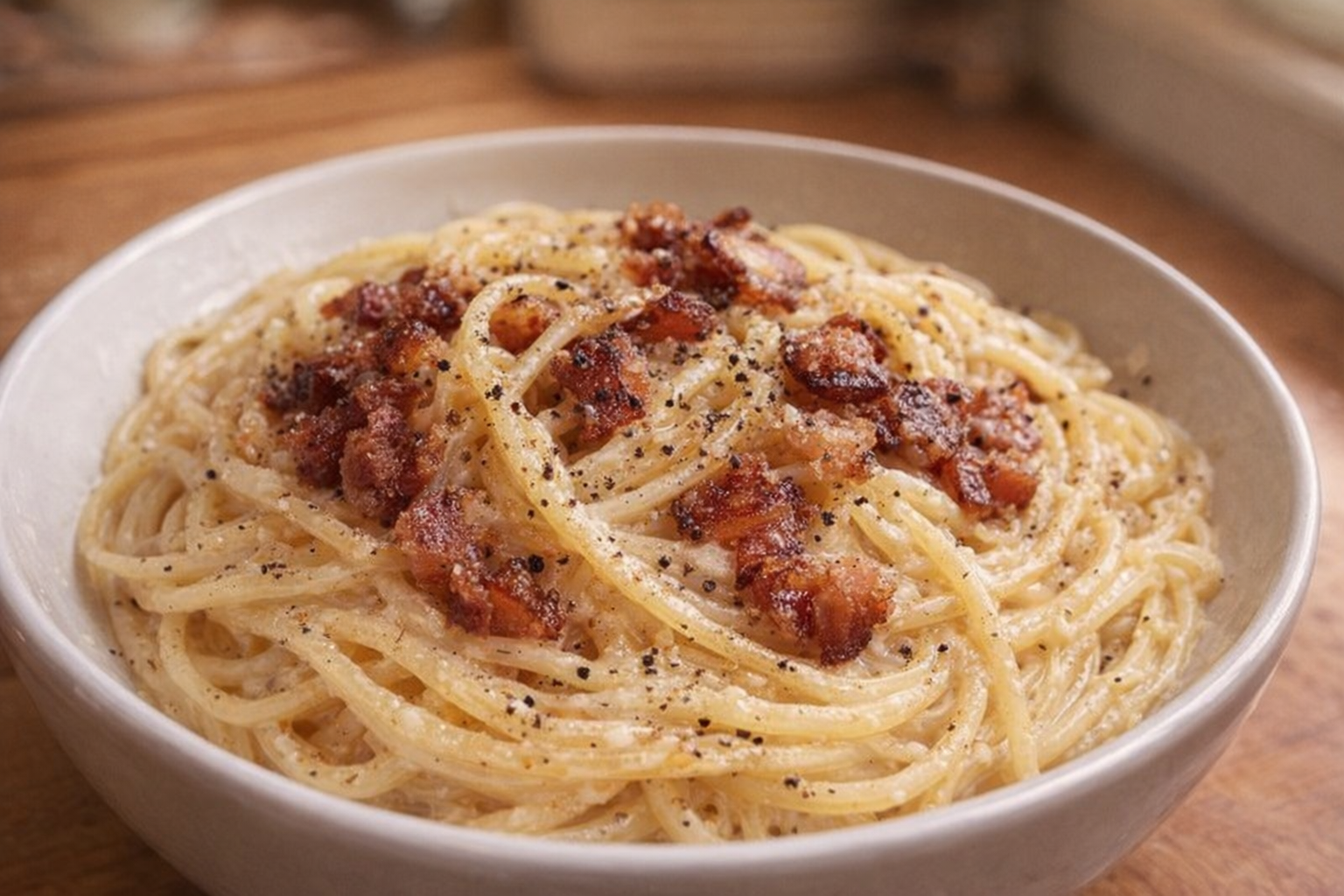
Spaghetti Carbonara is a Roman classic, celebrated for its rich, savory, and deceptively simple flavors. This dish relies on high-quality ingredients and precise technique to create a creamy, emulsified sauce without the use of cream. The key is understanding how the heat of the pasta gently cooks the eggs, creating a luxurious coating that clings to every strand.
This guide will walk you through each step of the process, from preparing the guanciale to achieving the perfect sauce consistency. We’ll explore ingredient selection and time-tested techniques, ensuring a truly authentic carbonara experience.
Understanding Guanciale
While pancetta is often substituted, authentic carbonara calls for guanciale: cured pork cheek. The higher fat content of guanciale renders beautifully, providing a depth of flavor that pancetta can't quite match. When purchasing guanciale, look for a firm texture and a good ratio of fat to meat. The fat should be creamy white, and the meat a deep pink. If guanciale is unavailable, thick-cut pancetta is the best substitute, followed by bacon as a last resort. Avoid pre-diced options, as they often lack the desired texture and flavor.
Why Cook Spaghetti Carbonara This Way?
- Flavor: The combination of rendered guanciale fat, sharp Pecorino Romano, and creamy egg yolks creates an unparalleled savory richness.
- Versatility: While traditionally served as a main course, carbonara can also be adapted as a side dish or even a sophisticated pasta salad when cooled.
- Convenience: With minimal ingredients and a relatively quick cooking time, carbonara is a weeknight-friendly indulgence.
Preparation (Mise en Place)
- Guanciale Preparation: Remove the guanciale from the refrigerator and allow it to sit at room temperature for about 15 minutes. This will make it easier to slice. Cut the guanciale into 1/4-inch thick strips, roughly 1-2 inches long.
- Cheese Grating: Freshly grate both the Pecorino Romano and Parmigiano-Reggiano cheeses. Pre-grated cheese often contains cellulose, which can prevent the sauce from emulsifying properly.
- Egg Preparation: Separate the eggs. You'll need the yolks for the sauce, and the whites can be reserved for another use (such as an omelet or meringue).
- Pasta Water: Have a kettle of water ready to bring to a boil for the pasta.
Essential Tools
- Large Pot: For boiling the pasta. A 6-8 quart pot is ideal to ensure the pasta cooks evenly.
- Large Skillet: A 12-inch skillet, preferably stainless steel or cast iron, is ideal for rendering the guanciale and combining the pasta and sauce. The even heat distribution of these materials prevents hot spots.
- Mixing Bowls: One large bowl for tossing the pasta with the sauce, and a smaller bowl for whisking the egg mixture.
- Cheese Grater: A microplane or fine grater is ideal for creating light, airy cheese for the sauce.
The Cooking Method
Spaghetti Carbonara: The Classic Method
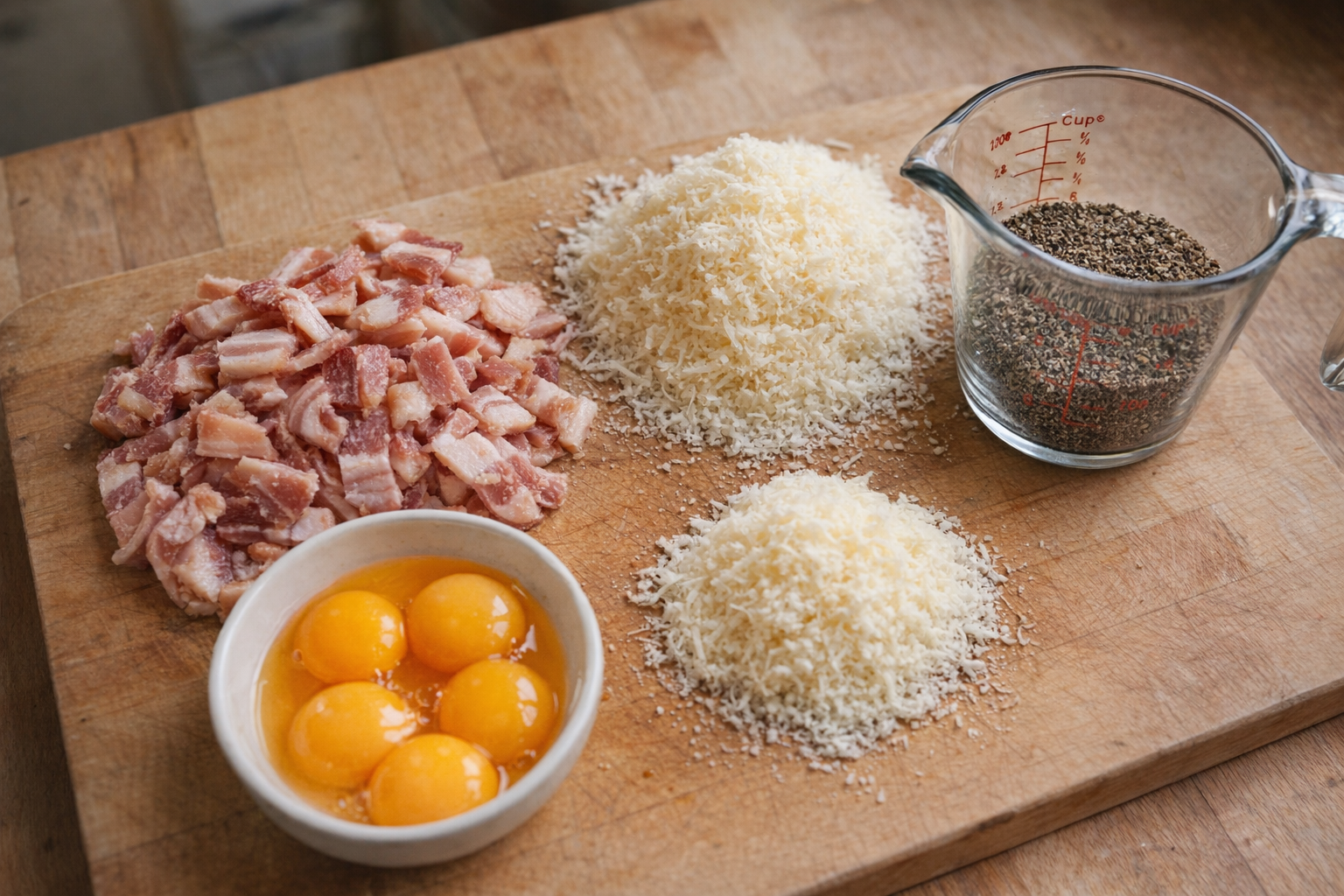
Ingredients:
- 400g (14 oz) spaghetti
- 200g (7 oz) guanciale, cut into 1/4-inch thick strips
- 4 large egg yolks
- 100g (3.5 oz) Pecorino Romano cheese, freshly grated
- 50g (1.75 oz) Parmigiano-Reggiano cheese, freshly grated
- Freshly ground black pepper
- Salt
- Extra-virgin olive oil (optional, for greasing the pan initially if needed)
- Cook the Pasta: Bring a large pot of salted water to a rolling boil. Add the spaghetti and cook according to package directions until al dente. Reserve about 1 cup of pasta water before draining. The water should be starchy and opaque.
- Render the Guanciale: While the pasta is cooking, heat a large skillet over medium heat. If the guanciale is very lean, add a tablespoon of extra-virgin olive oil to the pan. Add the guanciale and cook until crispy and golden brown, about 5-7 minutes. The aroma of rendered pork fat will fill the kitchen. Remove the skillet from the heat and set the guanciale aside, leaving the rendered fat in the pan.
- Prepare the Sauce: In a mixing bowl, whisk together the egg yolks, Pecorino Romano, and Parmigiano-Reggiano cheeses until well combined. Add a generous amount of freshly ground black pepper. The mixture should be thick and pale yellow.
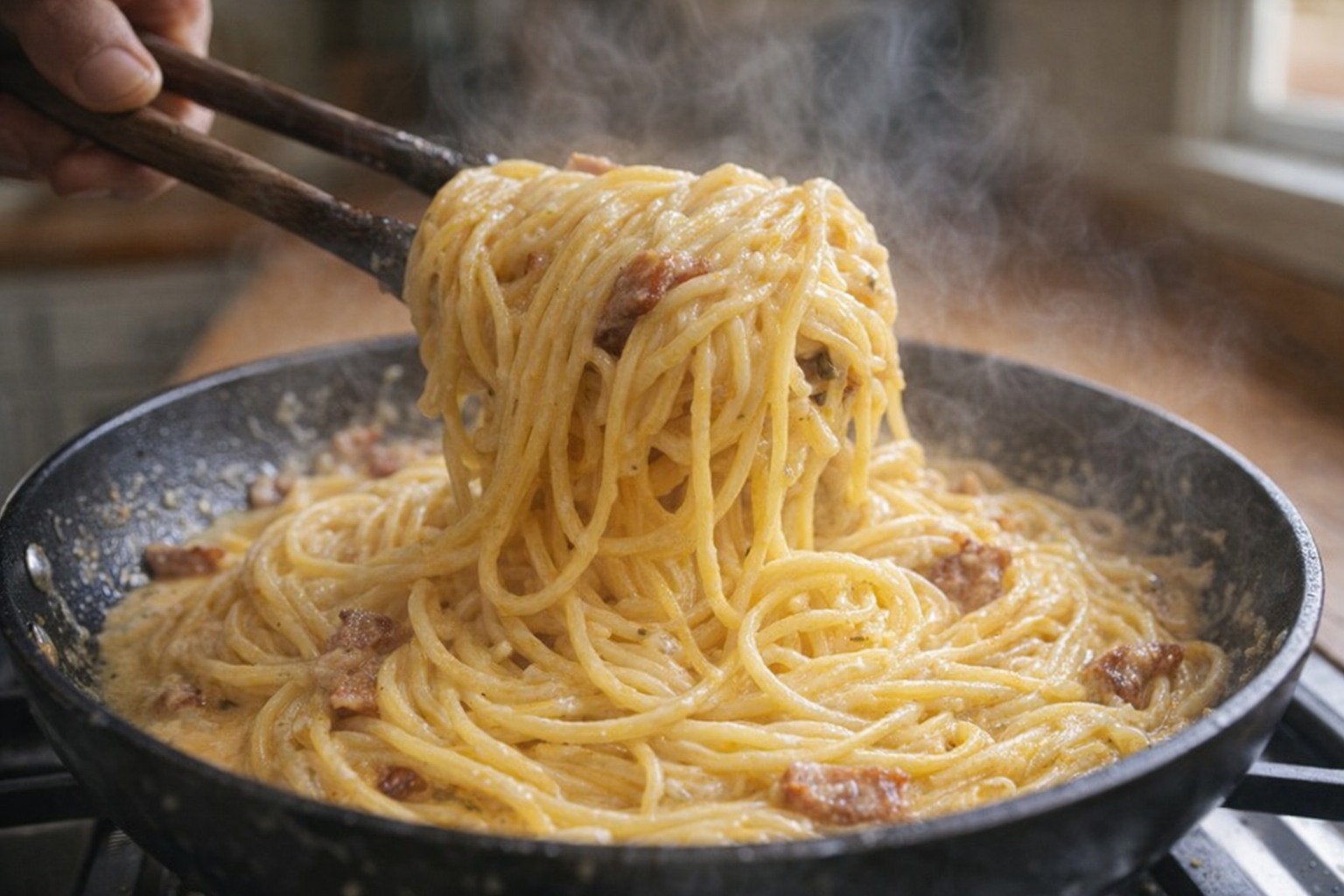
- Combine the Ingredients: Immediately transfer the hot, drained spaghetti to the skillet with the rendered guanciale fat. Pour the egg and cheese mixture over the pasta, tossing quickly and continuously to coat each strand evenly. The residual heat from the pasta will gently cook the eggs, creating a creamy sauce. If the mixture seems too thick, gradually add the reserved pasta water, one tablespoon at a time, until the desired consistency is reached. The sauce should cling to the pasta and have a glossy sheen.
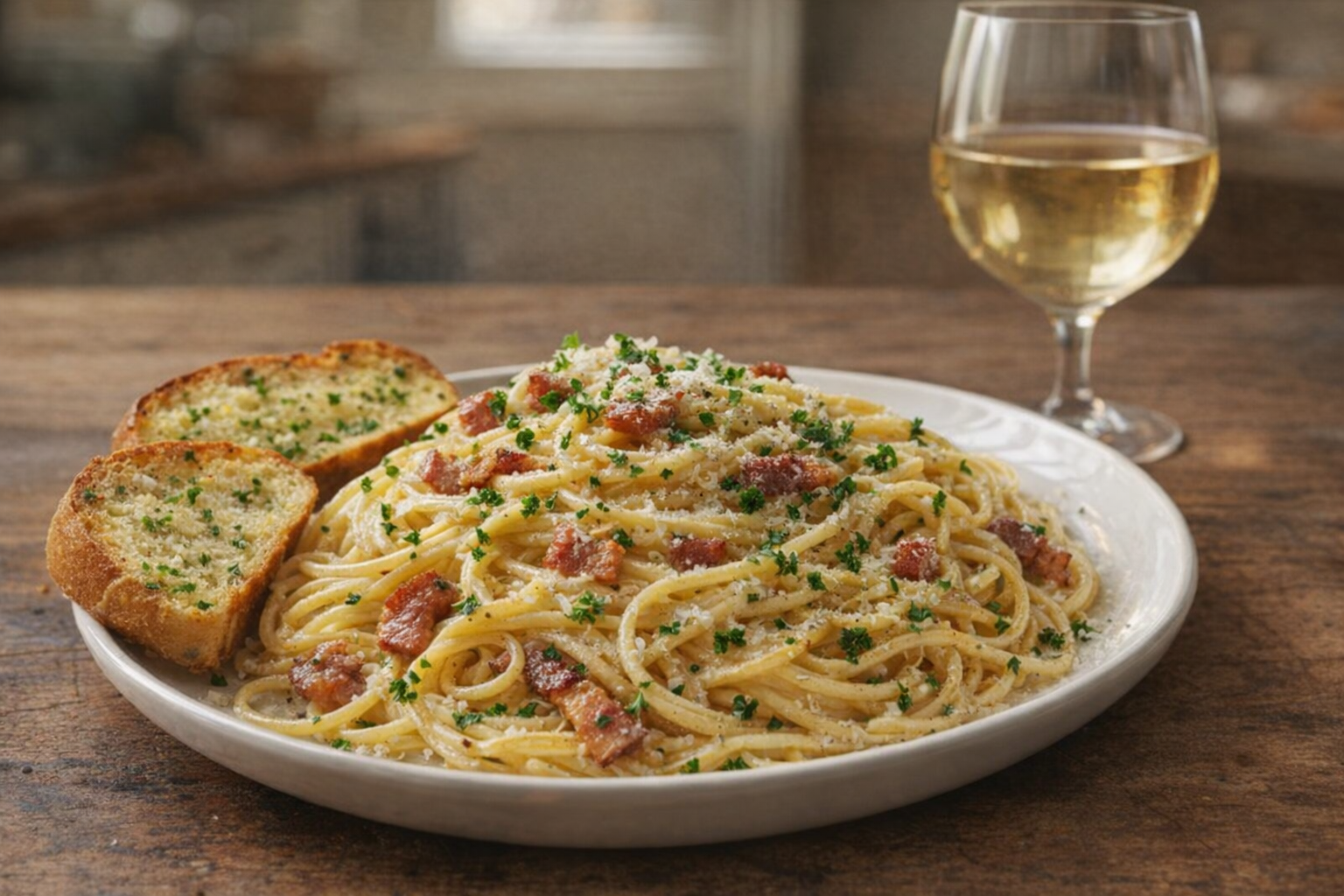
- Serve: Add the crispy guanciale to the pasta and toss once more to distribute evenly. Serve the Spaghetti Carbonara immediately, garnished with additional grated Pecorino Romano and a generous sprinkle of freshly ground black pepper. The heat will continue to cook the sauce, so prompt serving is essential.
Cooking Time & Doneness Guide
- Pasta: 8-10 minutes, or until al dente.
- Guanciale: 5-7 minutes, or until crispy and golden brown.
- Sauce: The sauce cooks solely from the residual heat of the pasta. It should be creamy and cling to the pasta.
Visual Cues
The sauce should be a pale yellow color and have a glossy sheen. If the eggs scramble, the sauce will appear curdled.
Tips for Perfection
- Don't Overcook the Pasta: Al dente pasta is crucial for absorbing the sauce properly. Overcooked pasta will become mushy and won't hold the sauce as well.
- Temperature Control is Key: Adding the egg mixture to a skillet that is too hot will result in scrambled eggs. Remove the skillet from the heat before adding the egg mixture, and toss quickly and continuously to distribute the heat evenly.
- Use Freshly Grated Cheese: Pre-grated cheese often contains cellulose, which can prevent the sauce from emulsifying properly.
- Season Generously with Black Pepper: Black pepper is an essential component of carbonara, adding a pungent bite that complements the richness of the sauce.
Storage & Reheating
Leftover Spaghetti Carbonara can be stored in an airtight container in the refrigerator for up to 2 days. However, the texture may change upon reheating, and the sauce may become less creamy. To reheat, gently warm the carbonara in a skillet over low heat, adding a splash of milk or cream to loosen the sauce if needed. Avoid microwaving, as this can cause the eggs to overcook and the pasta to become rubbery.
Serving Suggestions
- Classic Pairing: Serve with a simple green salad dressed with a light vinaigrette.
- Wine Pairing: Pair with a crisp, dry white wine such as Pinot Grigio or Vermentino.
- Garlic Bread: Crusty garlic bread is the perfect accompaniment for soaking up the extra sauce.
- Elevated Presentation: Serve in warmed bowls and garnish with a sprig of fresh parsley for added color.
Frequently Asked Questions
A thick carbonara sauce usually means the eggs have scrambled slightly. To thin it out, add a tablespoon or two of the reserved pasta water to the sauce, mixing vigorously until you reach your desired consistency. The starch in the pasta water will help emulsify the sauce and create a smoother texture.
While it's tempting for convenience, pre-shredded cheese often contains cellulose to prevent clumping, which can hinder the sauce's emulsification. It's highly recommended to grate your own Pecorino Romano cheese for a smoother, creamier carbonara sauce. Freshly grated cheese also provides a superior flavor.
Don't throw away those precious egg whites! They can be used in a variety of ways, such as making a light and fluffy omelet, a batch of meringues, or even added to smoothies for a protein boost. Egg whites can also be stored in the refrigerator for a few days or frozen for later use.
The key is to remove the skillet from the heat before adding the egg mixture. This prevents the direct heat from scrambling the eggs. Also, ensure the pasta is al dente and still quite hot, as the residual heat will gently cook the eggs and create the creamy sauce.